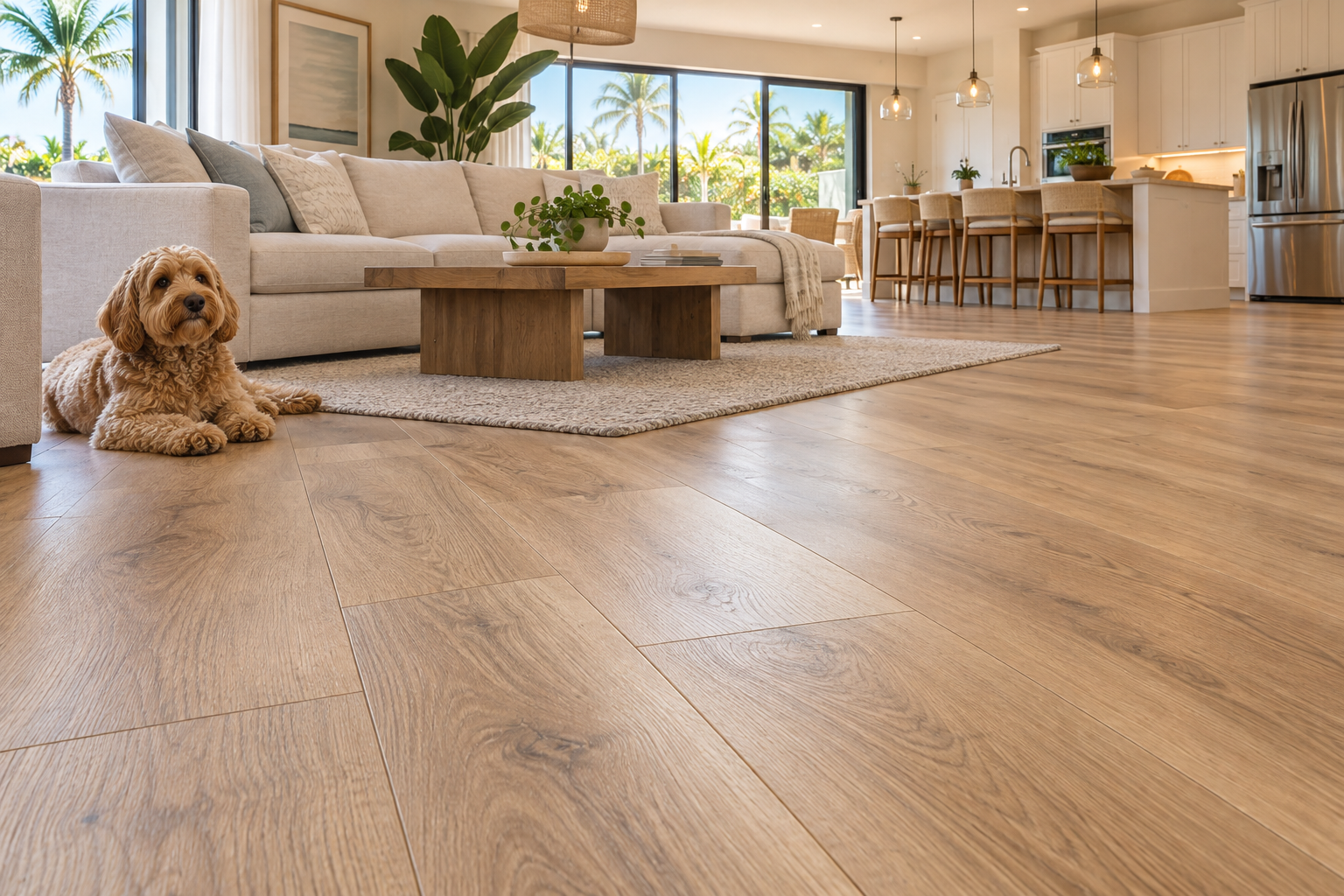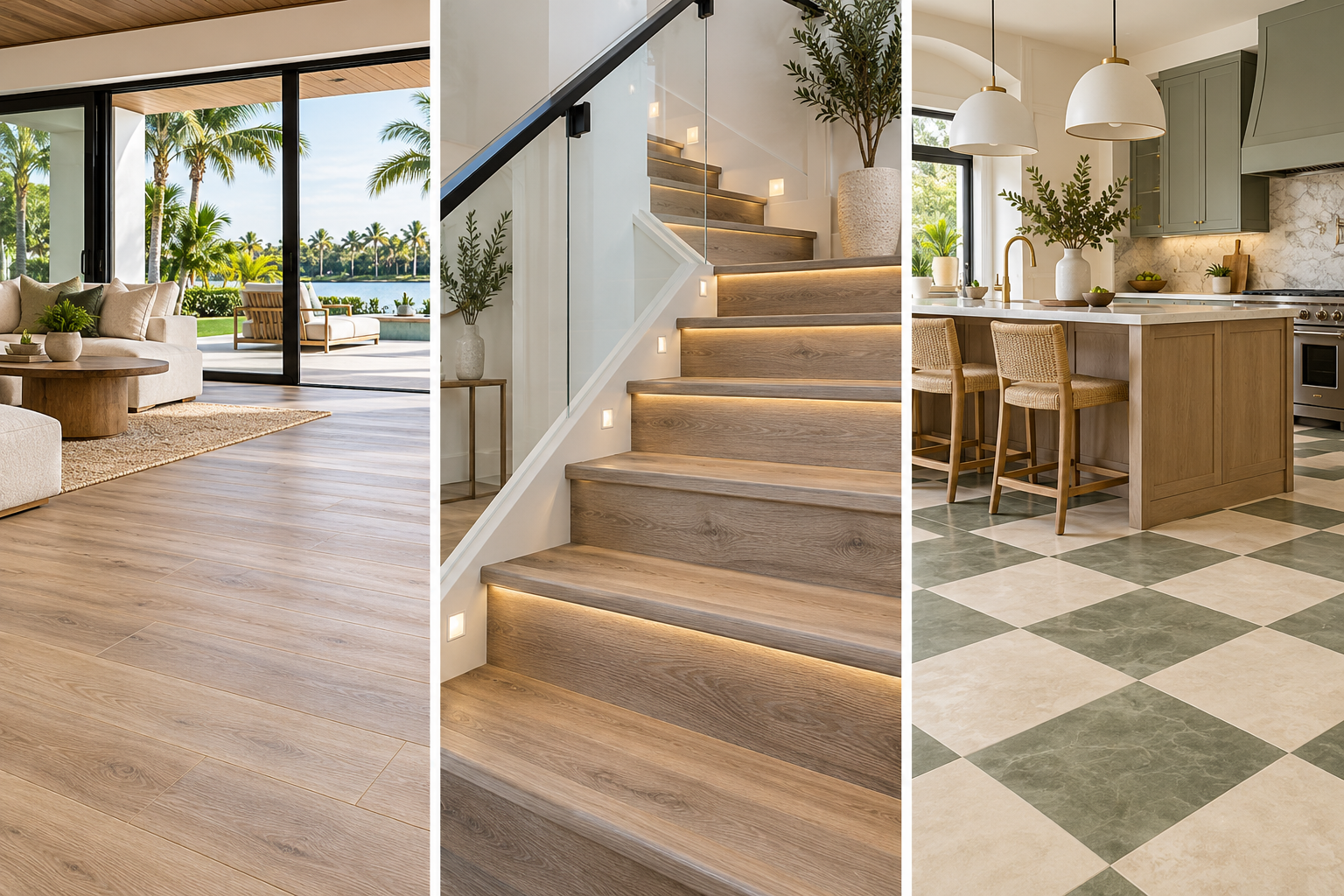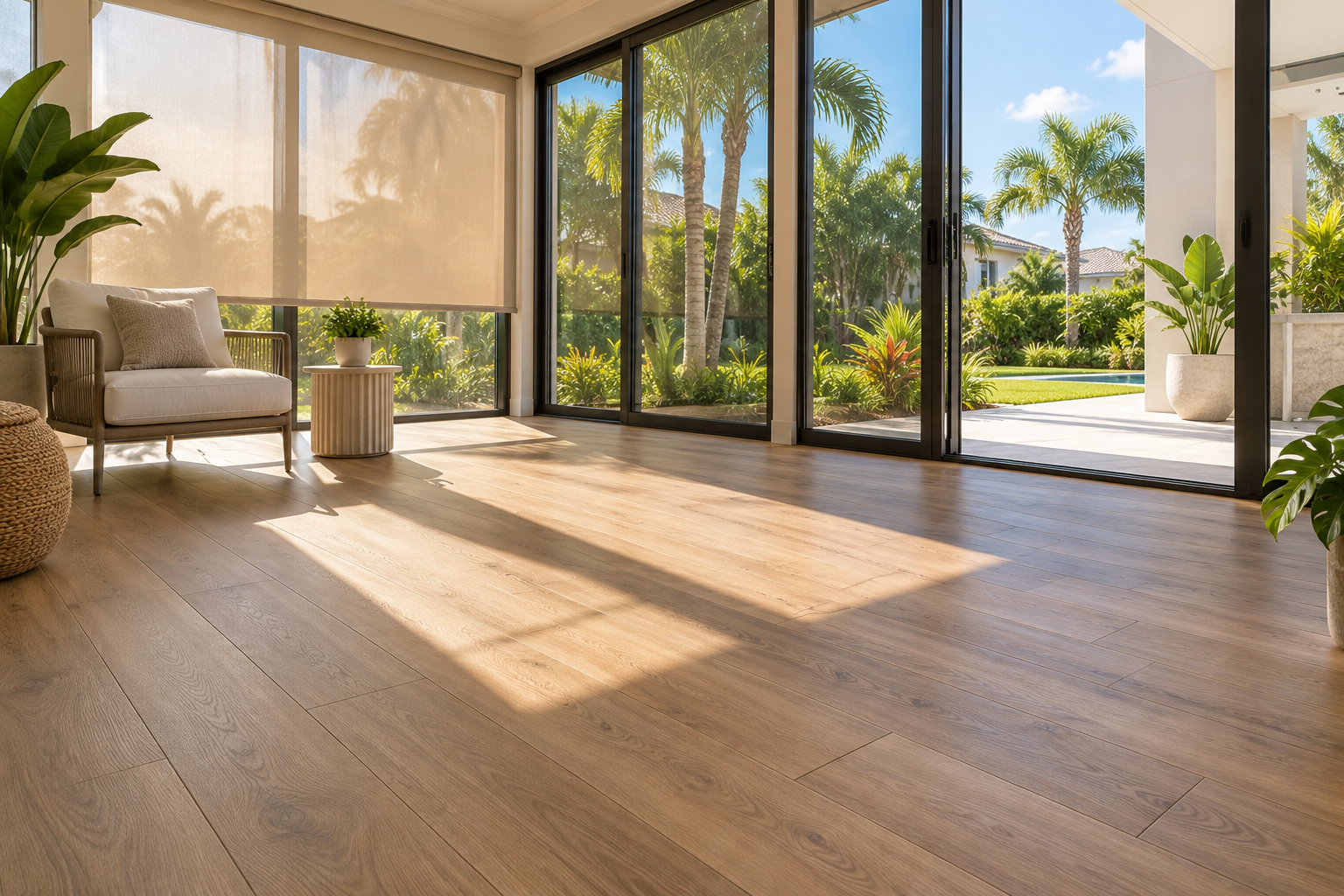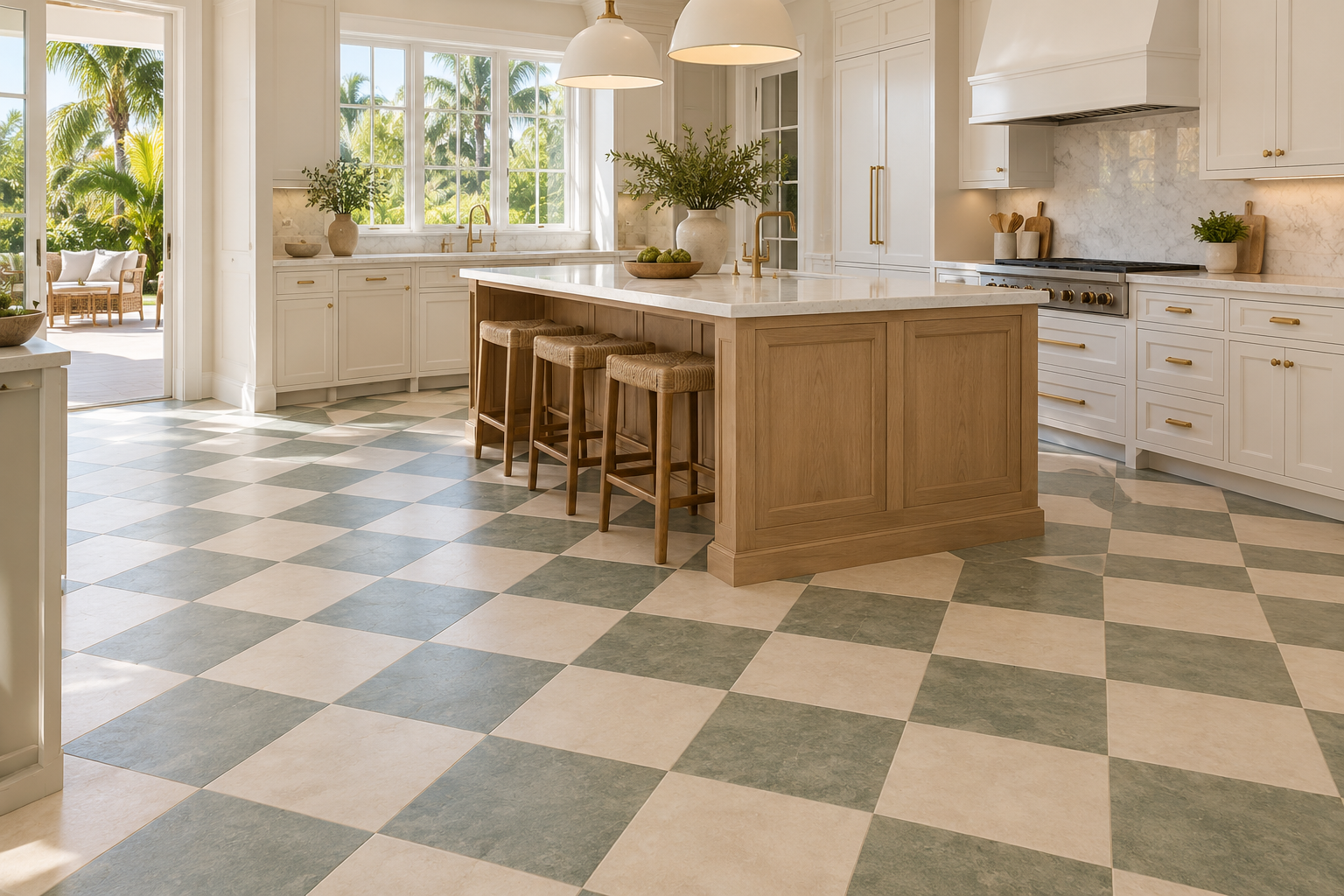
In 2026, SPC (Stone Plastic Composite) and rigid core flooring continue to dominate across the United States, especially in Florida, where high humidity levels (70–90% average in Orlando and coastal areas) demand 100% waterproof materials.
These floors offer complete water resistance, extreme durability, realistic wood visuals in warm tones (natural oak, honey, matte taupe), and wide plank formats (7–9 inches wide) that are leading trends at TISE and DOMOTEX this year.
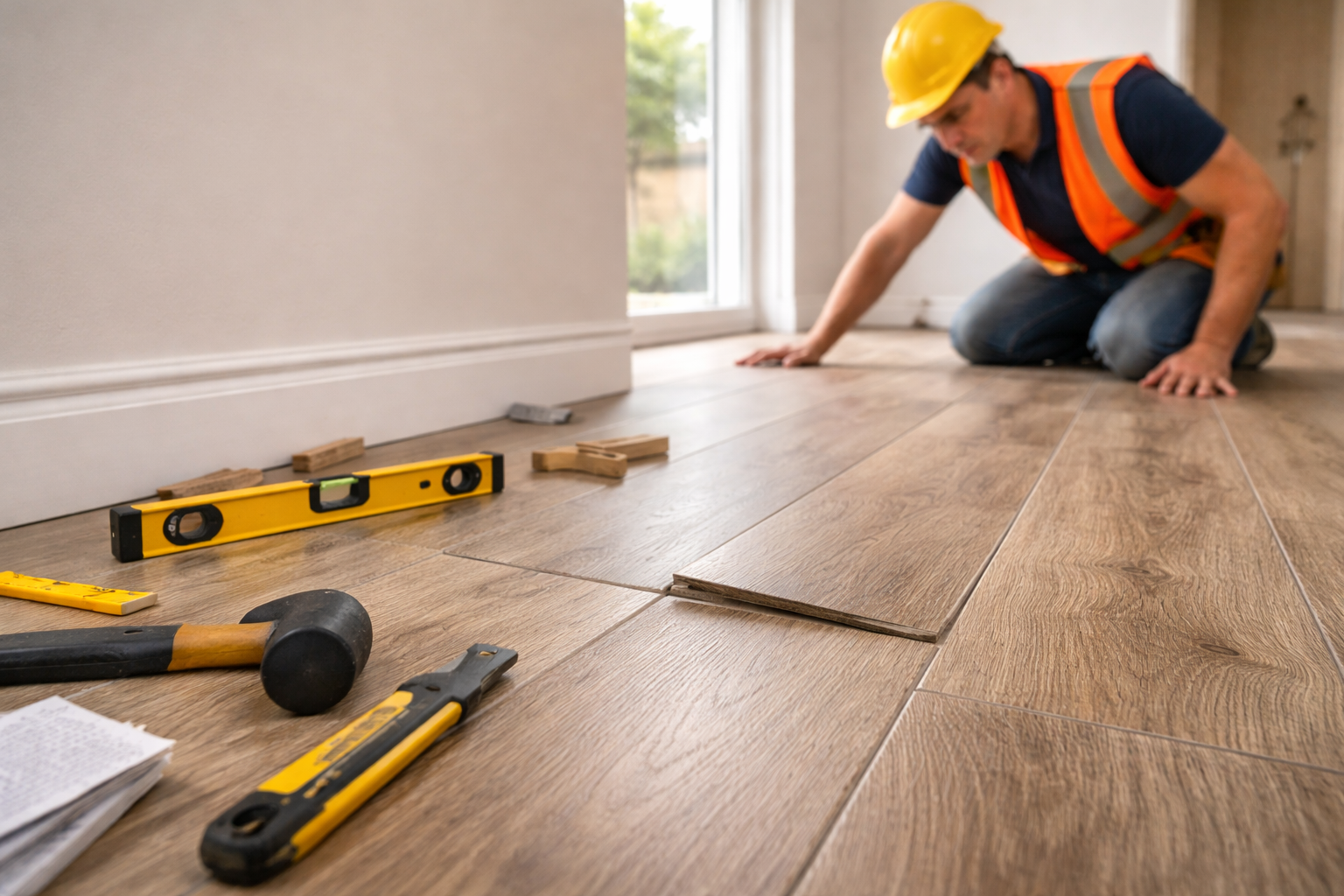
However, their rigid mineral core means that any installation mistake quickly turns into visible problems: buckling, hollow sounds when walking, open joints, damaged click systems, or mold underneath (even though the flooring is waterproof, trapped moisture in the subfloor still causes damage).
From our headquarters in Orlando, Florida, shipping nationwide, we see these 7 mistakes behind 70–80% of installer and homeowner claims.
Below are the most costly errors, their real consequences in humid climates like Florida, and practical solutions to avoid callbacks, rework, and negative reviews.
- Not Leaving Sufficient Expansion Gaps (The #1 Mistake in Florida)
Many installers use only 1/4″ (6 mm) because “it looks cleaner.”
Consequence in humid climates:
With wide planks and temperature swings (AC vs. direct sunlight/exterior humidity), the floor expands, leading to edge buckling, waves, or lifting against baseboards. This is very common in Orlando homes with lanais or heavy sun exposure.
Pro Solution:
Minimum 3/8″–1/2″ (10–12 mm) in areas over 200 sq ft (more for areas over 500 sq ft or with radiant heat). Use professional spacers and remove them only after installing moldings. In Florida, seal the perimeter with color-matched neutral silicone in bathrooms and kitchens.
- Installing Over Subfloor Unevenness Greater Than 3/16″ in 10 ft (or 1/8″ in 6 ft)
Common misconception: “SPC hides imperfections.” It doesn’t.
Consequence:
Telegraphing (visible subfloor imperfections), squeaking, broken locking systems, and premature wear, especially on uneven concrete slabs in new Florida construction.
2026 Best Practice:
Measure with a 10 ft straightedge and laser level. Correct with self-leveler (maximum 1/4″ thickness) or grinding. Always check concrete slabs in Orlando.
- Skipping Proper Acclimation (48–72 Hours Minimum)
Opening boxes and installing immediately.
Serious consequence in Florida:
Material arrives in a hot and humid trailer, leading to post-install expansion, gaps, or buckling once the AC lowers interior humidity.
Pro Tip:
Acclimate at least 48–72 hours (ideally 5–7 days in Florida or Gulf Coast states) in a climate-controlled space (65–85°F, 35–55% relative humidity). Mix planks from multiple boxes for visual consistency, especially with today’s realistic wood visuals.
- Improper Starter Rows or No Reference Line Creating a Stair-Step Pattern
Starting without a precise guideline.
Consequence:
Misalignment becomes obvious with wide planks and pronounced grain patterns. Fixing it can cost thousands.
Solution:
Use a laser level or chalk line for the starter row. Check alignment every 3–4 rows. In Florida, install parallel to the longest wall to maximize natural light flow.
- Hitting Planks Directly with a Standard Hammer and Damaging the Click System
Not using a tapping block.
Consequence:
Invisible damage to locking mechanisms that leads to mid-term failures and claims.
Essential Tool:
Tapping block and rubber mallet (or brand-specific installation kit). Tap gently.
- Ignoring Subfloor Moisture Testing (Critical in Florida)
“It looks dry.”
Florida consequence:
Residual moisture in concrete causes mold or mildew underneath, odors, and lifting. SPC is waterproof, but subfloor moisture still damages the structure.
2026 Industry Standard (ASTM/MMFA):
Concrete must be ≤8 lbs MVER (Calcium Chloride test) or ≤90% RH using in-situ probes.
Wood subfloors must be ≤12% moisture content.
Use a non-destructive moisture meter and a 6-mil vapor barrier over concrete, which is mandatory in Florida.
- Not Adding Extra Perimeter Sealing in Wet Areas (Bathrooms, Kitchens, Laundry Rooms)
“It’s waterproof, it doesn’t need it.”
Consequence:
Water penetrates through the edges, causing trapped moisture and mold growth.
Florida Pro Solution:
Seal expansion gaps with 100% neutral silicone. Add an extra bead or sealed transitions in splash zones.
Essential Truck Checklist (Shipping Nationwide from Orlando)
Non-destructive moisture meter and in-situ probes
Laser level and 10 ft straightedge
3/8″–1/2″ spacers
Tapping block and rubber mallet
Miter saw with fine-tooth blade for vinyl
Neutral silicone and 6-mil moisture barrier (mandatory for Florida concrete)
Hygrometer for on-site relative humidity measurement
Avoiding these 7 common SPC installation mistakes reduces claims by 70–80%, saves time and materials, and builds a strong nationwide reputation.
In Florida, where humidity is the biggest enemy of flooring, these practices turn a good job into a premium service that generates referrals.
Which mistake has cost you the most on recent projects, in Florida or any other state? Do you have proven tricks for humid subfloors in Orlando? Share below and let’s help contractors across the U.S.
From Orlando, Florida, we offer premium waterproof SPC flooring with nationwide shipping, technical support for installers, and free samples. Contact us for quotes, training, or large-project consulting.
Install without costly mistakes and charge what you’re worth.